The moment a second shooter walks into a wedding, they’re part of how the couple experiences my business. It matters how they talk to the planner, how they work around guests, and what they do when the schedule changes. I can’t expect someone to make the same calls I would if I’ve never told them what I expect. That’s why I use a second shooter contract.
Over the years, I’ve seen choices on wedding days that didn’t reflect how I want my team to work. The hard part was realizing I hadn’t always set the expectation clearly enough to go back and have a fair conversation about it. Now I put those expectations in writing before we work together. If something comes up, we both have a way to go back to what we agreed to.
How I Use a Second Shooter Contract for the Year
When a photographer agrees to second shoot with me, I ask what they’re comfortable taking on and what they normally charge. For photographers I work with regularly, I prefer one agreement for the year. If we’re working together across several weddings, I don’t want either of us managing a new version of the same agreement every weekend.
The annual agreement is where I establish the working relationship. It covers things like our agreed rate, equipment expectations, handling files, and how they can use the photos afterward. Each wedding still needs its own confirmation. Put the date, locations, start and end times, and any travel arrangements in writing. Then use the timeline or shot list to show where each photographer should go and what they should capture.
What My Second Shooter Is There to Photograph
I ask my second shooters to do two things. First, cover what I can’t be there for. Second, give me a different view of the moments I’m already photographing. Their biggest job is to pay attention to everyone else in the room.
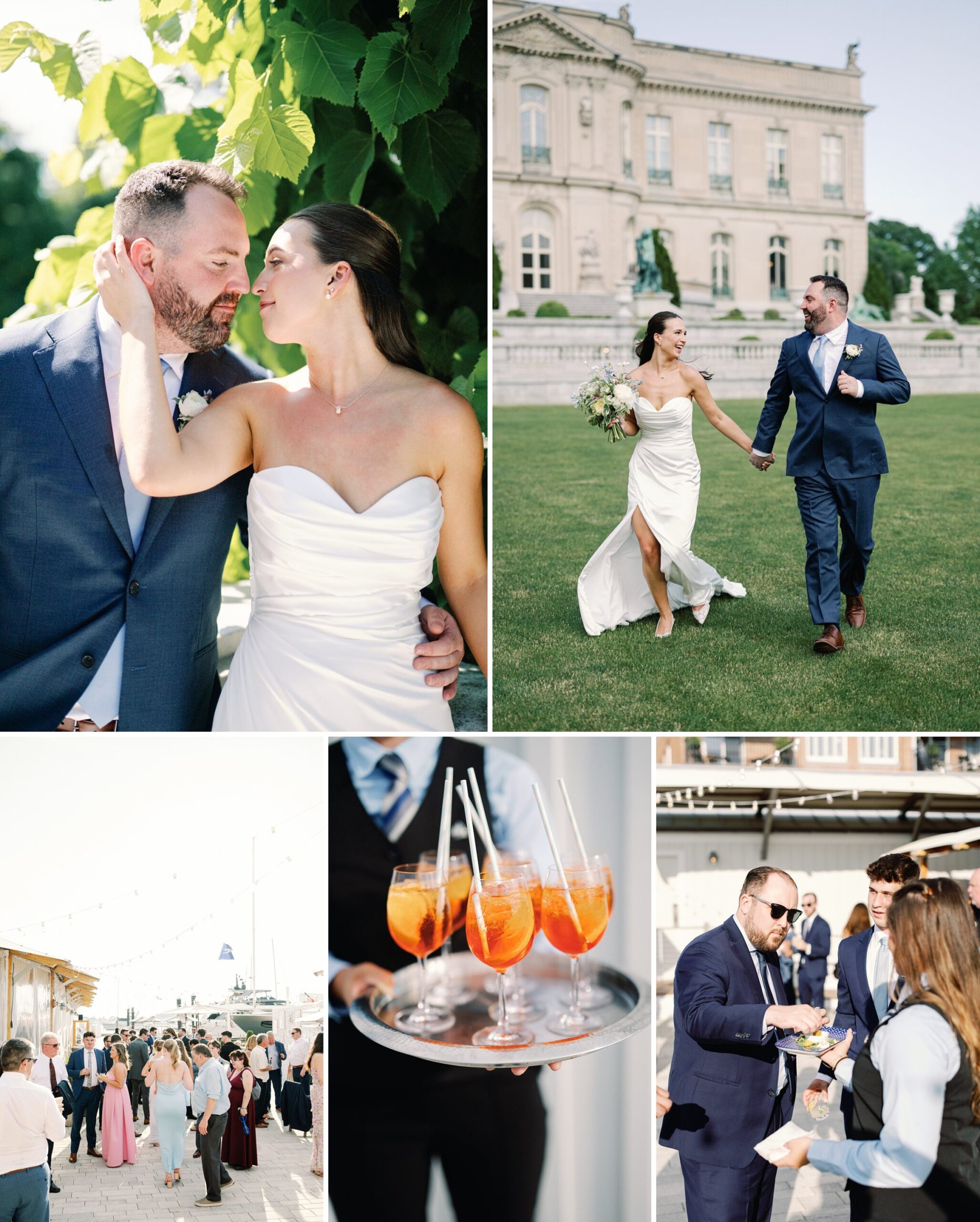
Think about a ceremony. While I photograph the couple at the front, my second shooter can watch for a parent’s reaction or a glance between friends during the vows. During portraits, they might be with guests at cocktail hour. Those pictures let the couple see parts of the wedding they were never going to experience firsthand.
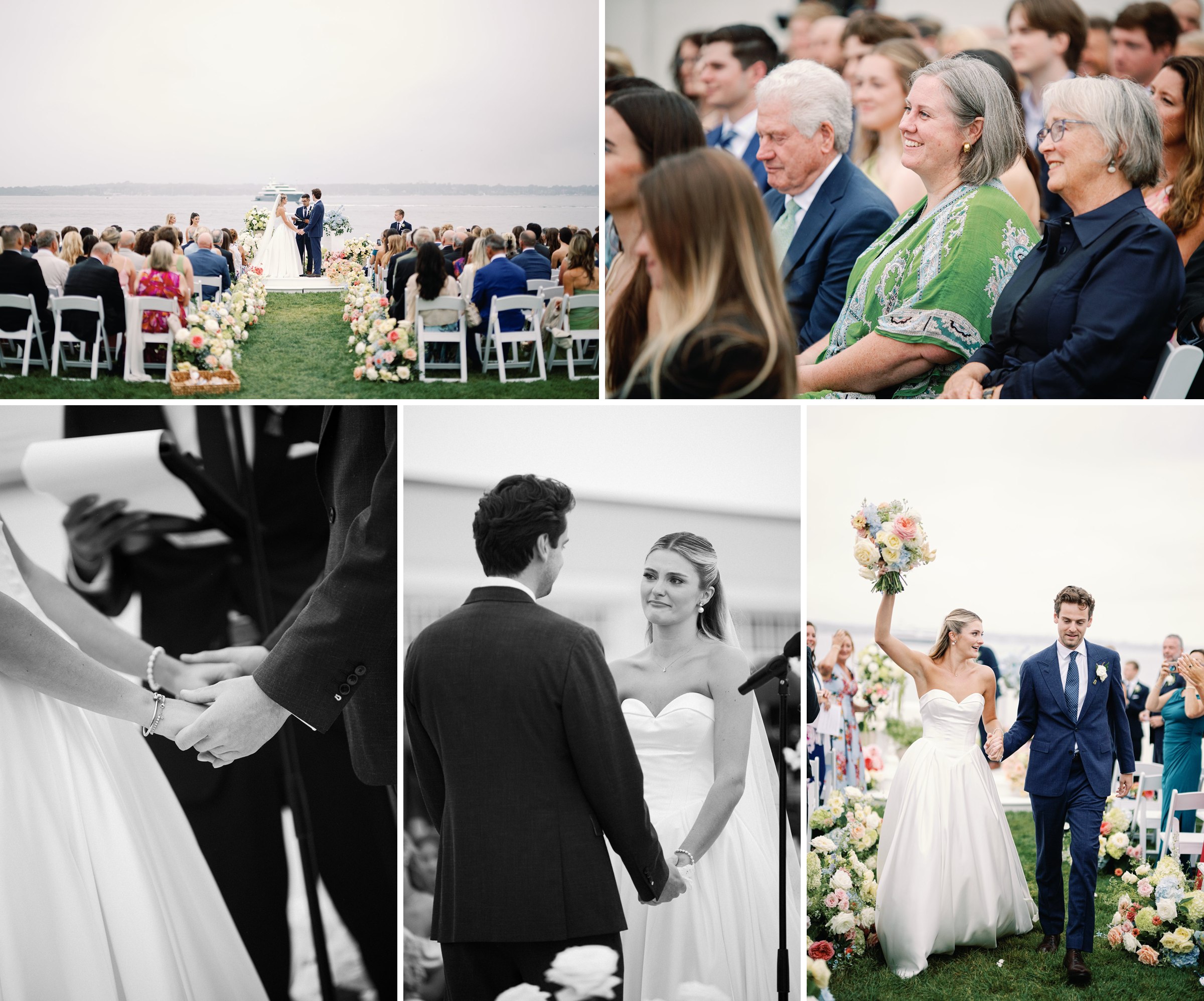
The second shooter contract sets that general expectation. In the timeline, I get specific. Before the ceremony, it’s worth talking through where you’ll both stand and who’s watching for which reactions. Having two photographers can give a couple two genuinely different perspectives on the same moment.
Who Makes the Call When the Timeline Changes?
If a planner asks my second shooter to choose between two changes to the schedule, I want the answer to be, “Let me ask Colton first.” The planner may be solving a real problem. I need to know about the change because it may affect what I’m covering elsewhere.
Spell out who approves changes to coverage and who handles requests for images. If someone asks your second shooter to leave an assignment, make sure they know who to call. During a wedding, it’s a lot easier for everyone to work from one decision. It also gives my second shooter an easy answer when someone puts them on the spot.
Hourly Pay, Travel, and Wedding-Day Expenses
I pay my second shooters hourly and talk about their rate when we first agree to work together. Travel is worth a separate conversation. For a Block Island wedding, for example, I arrange their travel tickets before the wedding day. When they pay for parking or transportation on the island, I reimburse them. That way, we can settle how they’ll get there well before the wedding week.
If you’re writing your own second shooter contract, make it easy for both people to answer a few basic questions. When will the lead photographer pay? Which expenses will the lead cover? What happens to pay if the lead asks the second shooter to stay longer or wraps the coverage early? Agree on those details while there’s time to talk them through.
The Gear, Memory Cards, and RAW File Handoff
I expect my second photographers to work with professional full-frame cameras and bring a selection of prime lenses. I require cameras that record to two memory cards at the same time. That way, the camera makes two copies of every frame as they shoot.
My second shooters shoot to my cards, and I take responsibility for backing up the files. Once I back up the files, my second shooter can stop holding a copy for me. If they choose to keep files for future portfolio use, that’s up to them, within the terms we agreed on for using those images.
I’d settle the handoff before the wedding. Are they giving you a card, transferring RAW files, or doing both? Who checks that the full set made it across? When can the second shooter clear the cards? Dual-card recording gives me redundancy during coverage. The handoff is what gets the files into my studio’s backup workflow after the wedding.
What My Second Shooter Contract Says About Photo Sharing
Second shooting helped me build my portfolio when I was starting out. Photographers who work with me deserve that opportunity, too. My second shooter contract spells out when they can post, which images they can share, where they can use them, and how they should credit the studio. Their captions should make their role clear. A photographer can be proud of the photos they made and say they made them while second shooting for someone else.
I ask my second shooters to leave the couple out of any tagging or following, even if the couple finds them first. Imagine seeing an alternate edit of your own wedding pop up in your feed without knowing why it looks different from your gallery. That can turn into a confusing conversation for everyone. That’s why we agree on how the second shooter can share the photos before the wedding.
For your own agreement, talk through website portfolios, social posts, and any images the couple expects to stay private. Be specific about when permission starts and which uses need approval. For background on image ownership, start with the U.S. Copyright Office’s guide for photographers. If you need language about ownership or licensing, have a qualified attorney review it for your business.
What Happens if Your Second Shooter Gets Sick?
If a second shooter wakes up sick on the wedding morning, my agreement asks them to help me find a replacement. The responsibility for covering the wedding still falls to me. While they reach out to photographers they know, I can start making calls, too. Being clear about who makes the final call on a replacement helps when we’re working against the clock.
I’d discuss rescheduling in that same conversation. The replacement plan for a wedding that starts in a few hours will look different from a date change months in advance. Decide who reconfirms the new date and what you’ll do if the original photographer already has a booking.
Second Shooter Contract Checklist
Before you sign, make sure you can both answer these questions. I’d keep the answers somewhere you can pull them up quickly during a wedding weekend.
- Which dates, locations, hours, and assignments have you both confirmed?
- Agree on the rate, payment date, and how you’ll handle travel or changes to coverage.
- Which gear and card setup do you expect, and how should the second shooter deliver the RAW files?
- Who makes coverage decisions and handles requests from the couple, planner, or vendors?
- When and where can the photographer use images? Spell out how they should credit the lead and which photos stay private.
- Who helps find a replacement, and who approves that photographer?
I want a second photographer to walk in knowing what I’m counting on them for. They should know what they can count on me for, too. The earlier we get that clear, the more attention we can give the couple and the people around them on the wedding day.
For more on the client side of the business, read my guide to wedding photography contracts. I’ve also written about what couples can expect from a second shooter.