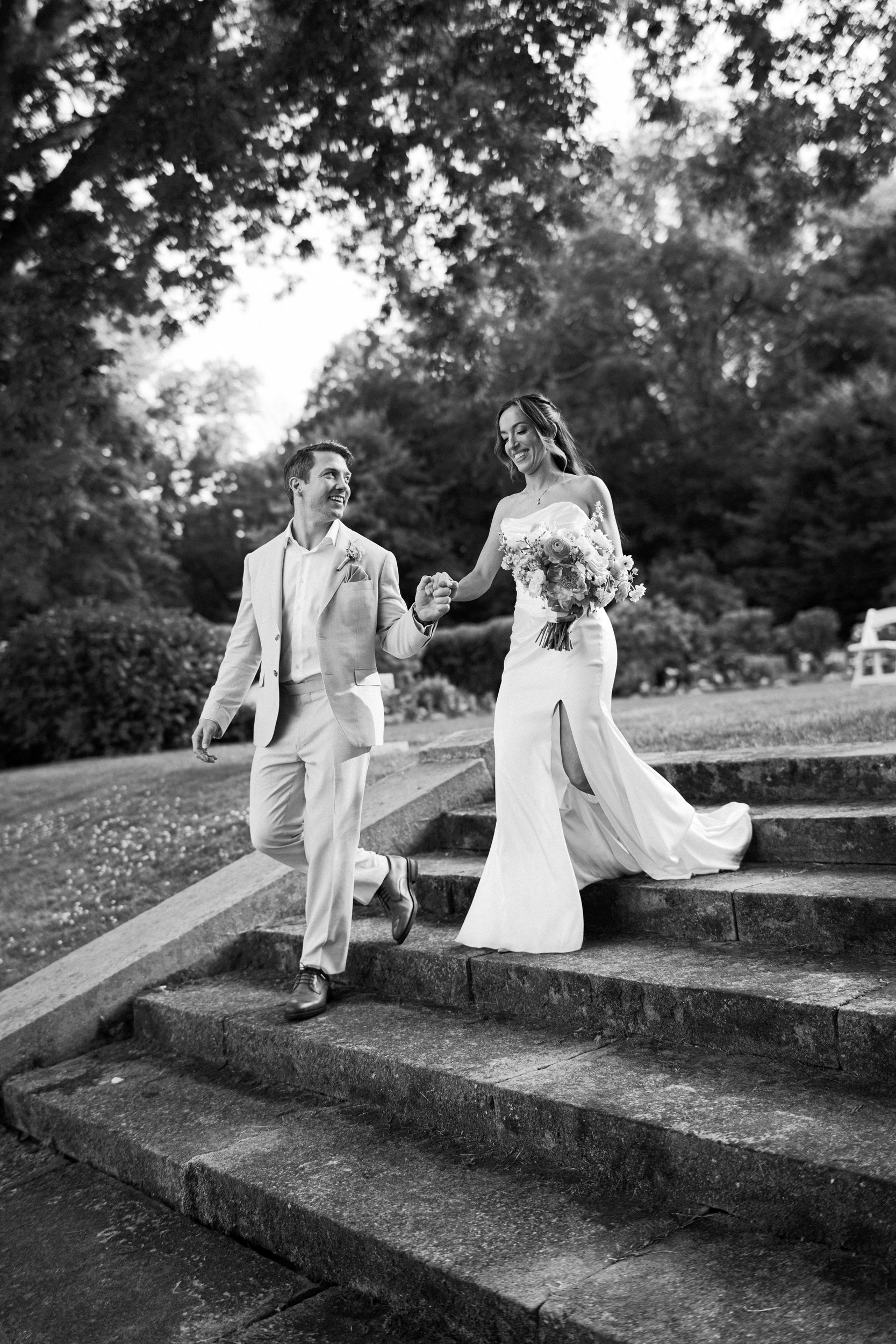
A couple sends you a photo they love from Instagram. It’s a portrait on a bridge, with soft light and the skyline behind them. The only time you have for portraits is three in the afternoon. That’s a conversation worth having before the wedding, when you still have time to talk through what they love about the image and what you can do with the light you’ll have.
I think about a wedding photography contract the same way. It’s a chance to get on the same page while there’s time to ask questions. That includes everything from how a couple books their date to what happens if the date changes. Here are five places where that clarity makes a difference.
1. Get on the Same Page About the Photos
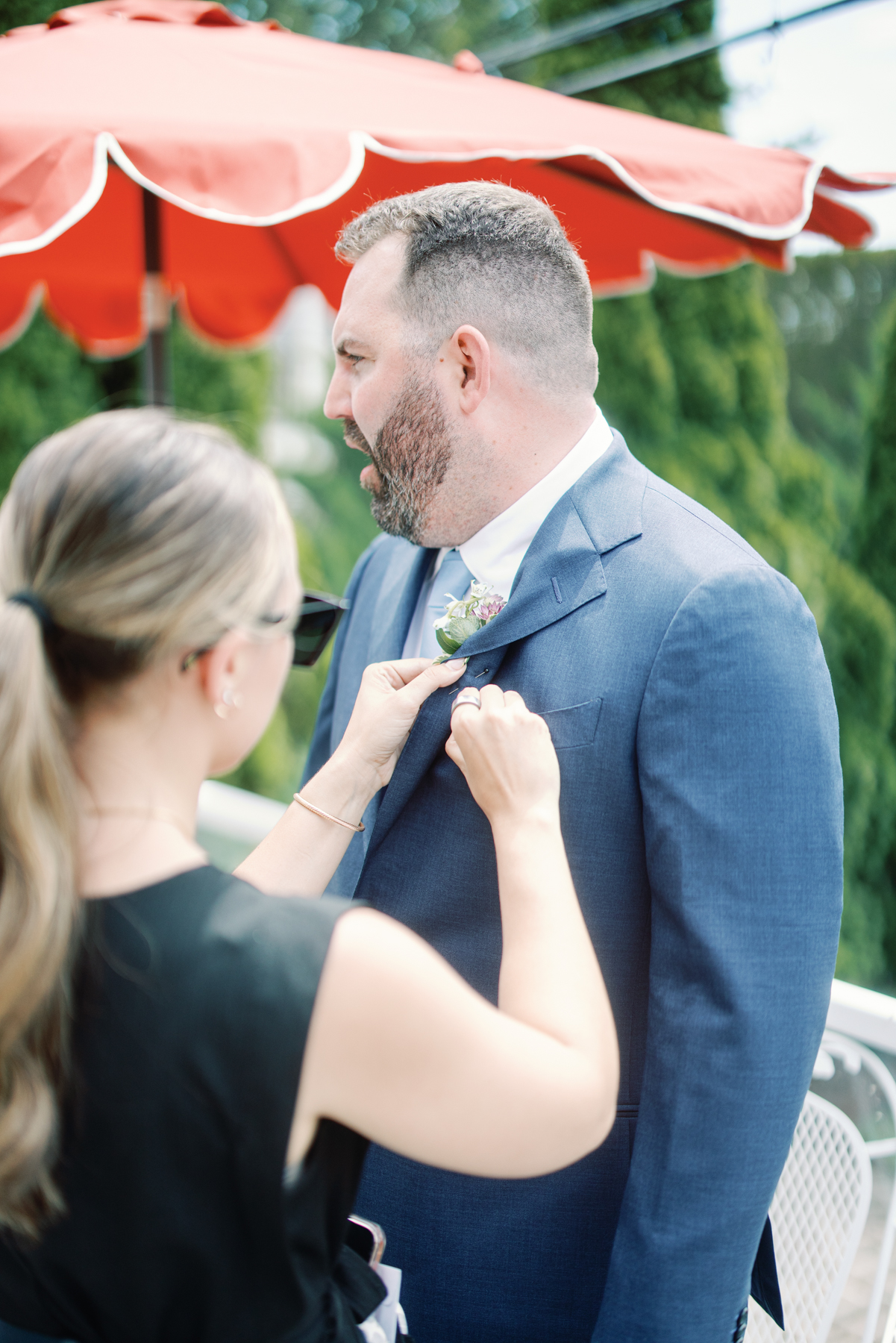
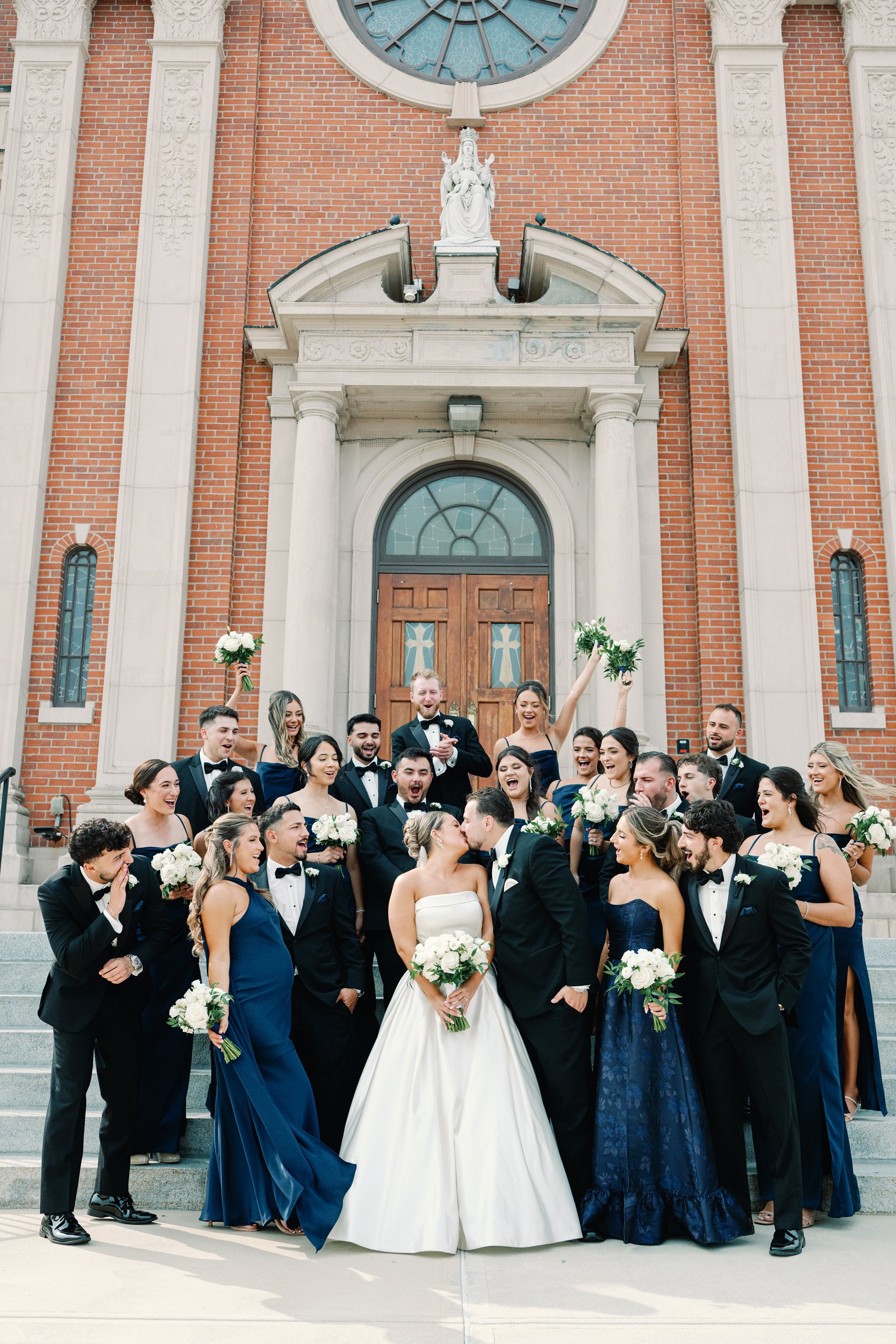
I’ve had this conversation with plenty of couples. I like to ask what they’re drawn to in a photo. Is it the light, the setting, or how relaxed the couple looks? That gives us something to work with when we talk through where and when to take portraits. You can also show couples a full wedding, like Leah and Davey’s day at Shepherd’s Run, to show your approach.
The conversation helps you understand what they care about. Your wedding photography contract gives them something to refer back to when they want to know what’s included. Spell out the coverage hours, how you edit and deliver the gallery, and what the couple can do with the images after delivery. If you’re working through the difference between ownership and permission to use a photo, the U.S. Copyright Office’s guide for photographers is a place to start.
There’s a difference between the number of hours a couple books and what they want those hours to cover. If they’re excited about getting ready with their friends and also planning a late exit, I like to look at those two moments together. We can work through the timeline before they commit to a collection and decide whether both fit. That’s a much easier conversation to have before the wedding than when the band is still playing and coverage is about to end.
2. Make Booking and Payments Easy to Understand
When a couple is ready to book, they should be able to answer two questions without digging through an email thread. What do we need to do to reserve our date? When is our next payment due?
I use a signed agreement and a retainer to reserve a date. The agreement is also where I spell out the payment schedule and what happens if the couple cancels or needs to reschedule. A useful check is to read that section from the couple’s side. If you’d still need to email yourself to find out what’s due or when, the wording could be clearer.
Extra time is worth spelling out in your wedding photography contract. Say dinner runs late and the couple asks you to stay for the last dance. Who can approve the additional time, and what does it cost? If you can answer both questions on the spot, the couple can make the call and get back to their guests.
3. Have an Attorney Review the Agreement
When I worked on my own agreement, I had a contract attorney review it. It was helpful to have someone look at the terms alongside the way I actually run my business.
Bring your booking process, payment schedule, and what you promise to deliver to that conversation. Tell the attorney where you work and how you handle things like second photographers or destination weddings. Those details give them something concrete to review in your wedding photography contract. They can also help you make sure the language in your proposal and your agreement tells clients the same thing.
I’d also flag anything you agree to by email that changes what you originally offered. If a couple adds rehearsal dinner coverage after booking, for example, make sure the updated agreement and invoice both reflect the hours and price you discussed. Months later, everyone should be able to pull up the same details without piecing them together from a long email thread.
4. Talk Through What Happens if Plans Change
Imagine getting a call on Thursday that your couple’s Saturday wedding needs to move. They’ll have enough to figure out. You can make your part of that conversation easier by knowing what your agreement says about the original date and whether you’re available for the new one.
The same goes for a situation where you can’t be there yourself. I’d rather talk through these questions while everyone has time to think. Your wedding photography contract can explain who will contact the couple, how you’ll handle a replacement photographer if one is available, and what they can expect to hear from you next.
- Photographer availability. What steps will you take if you’re sick or unable to photograph the wedding?
- Coverage interruptions. What happens if an emergency or equipment issue affects the coverage you can provide?
- Date changes. What happens to payments already made, and how will you confirm availability for a new date?
Think through the smaller changes that can affect the day, too. If rain moves an outdoor ceremony inside, you may need to rethink where family photos happen and how much time you have for portraits. I’d talk through those choices with the couple and planner. If the wedding moves to another date entirely, I’d pull up the booking terms and walk through them with the couple.

5. Give Couples a Clear Picture of What Comes Next
One thing I realized my agreement could explain better was what happens to the photos after delivery. I’d covered when couples could expect their gallery, but I hadn’t spelled out how long I’d keep their images. I added a clause that gives them a clear answer. That way, they know how long I store their photos and can plan to download and back them up.
I’d make two things easy to find in your wedding photography contract. How long can the couple use the online gallery, and how long will you keep a copy of their delivered photos? Those can be different dates. When you send the gallery, remind them when access ends and encourage them to save a copy somewhere they control.
Think about what your couples might need to know after the wedding. If the answer is something they’d have to email you to find out, it may be worth putting in writing.
A Starting Point for Your Own Agreement
If you’re putting together a wedding photography contract, I offer a contract template reviewed by my attorney. Use it as a starting point and have an attorney who works in your jurisdiction review it for your business.
Before you send it out, read it once more as if you were the couple opening it for the first time. Can you tell what you’re booking, what you owe, and who to call if your plans change? That’s the kind of clarity I want couples to have from the first day we work together.